
Across global supply chains, pressure is rising. E-commerce continues to accelerate, delivery expectations are tightening, and labor shortages remain a persistent challenge. As warehouses evolve from simple storage facilities into high-velocity logistics hubs, one truth becomes clear: the way cargo flows determines the performance of the entire operation.
Cargo flow optimization—once considered an advanced, optional capability—is now a strategic necessity. Companies that fail to streamline their inbound, storage, and outbound processes face growing bottlenecks, rising operational costs, and shrinking competitiveness. Meanwhile, those that modernize their material handling systems gain a direct path to higher throughput, predictable performance, and long-term resilience.
At Aubot, this is the heart of what we do: automate the way cargo flows through practical, scalable automation.
The New Realities of Warehouse Operations
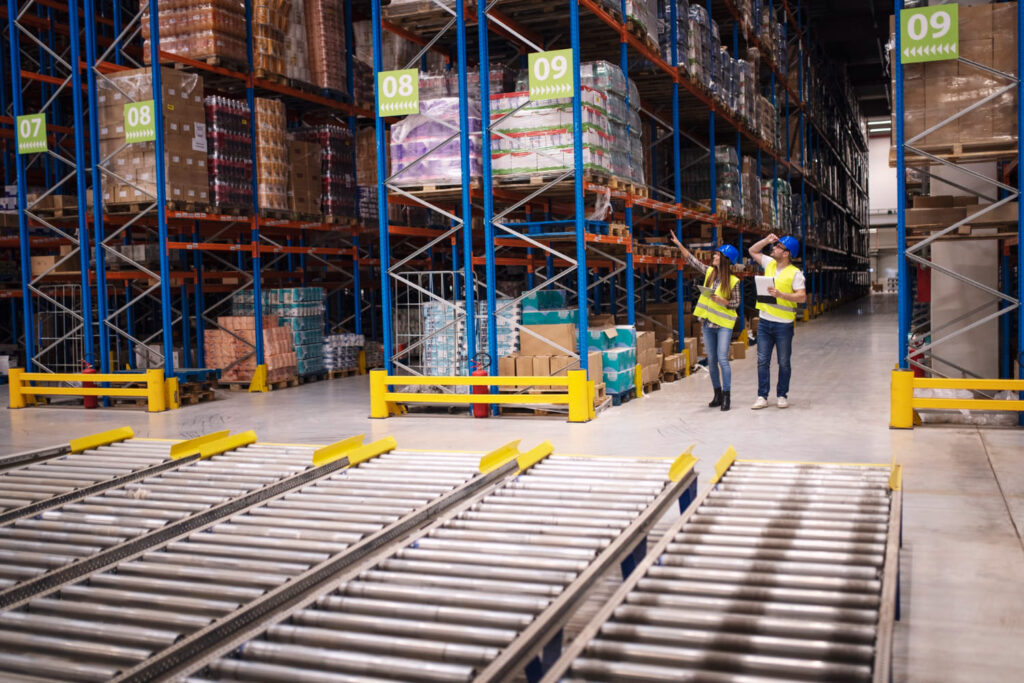
Modern warehouses are under unprecedented pressure. Three forces are reshaping operational priorities worldwide:
1. Rising throughput demands
Order volumes continue increasing—both in frequency and variety. Traditional manual systems simply cannot keep pace with unpredictable peaks. Without efficient cargo movement, even well-planned facilities face congestion and delays.
2. Persistent labor constraints
Warehousing roles are becoming harder to fill and harder to retain. High turnover rates result in inconsistent productivity, additional training costs, and operational gaps. Automation is no longer just about efficiency—it’s about ensuring continuity.
3. Expanding expectations for speed and accuracy
Customers expect faster delivery with zero compromise on accuracy. Any delay in receiving, put-away, replenishment, or dispatch directly affects customer satisfaction and overall supply chain responsiveness.
Cargo flow optimization is the answer to these operational realities. By ensuring that goods move predictably and efficiently from dock to storage to outbound staging, warehouses can sustain performance even under volatile conditions.
Why Cargo Flow Optimization Matters Now
Cargo flow optimization is more than equipment deployment. It’s a strategic approach to align people, processes, and technology across the entire intralogistics ecosystem. Its impact extends across several critical areas:
1. Eliminating bottlenecks across the value chain
Inbound docks, storage aisles, dispatch zones, and picking paths are often disconnected—resulting in inconsistent flow. Optimization ensures each zone operates in sync, reducing idle time and improving overall throughput.
2. Reducing operational costs
Unnecessary travel distance, manual handling, and repeated touchpoints can significantly increase labor hours and fuel cost. Streamlined flow cuts down non-value-added movement and reduces waste.
3. Enabling scalable and predictable operations
With optimized flow, warehouses can scale confidently. Instead of adding more workers or expanding floor space, businesses can grow throughput through smarter movement and automated coordination.
4. Supporting workforce productivity and safety
Automation reduces the need for repetitive and physically demanding tasks. Operators can focus on higher-value responsibilities while automated systems handle heavy transport, repetitive routes, and time-critical movements.
5. Creating a foundation for end-to-end automation
Whether deploying AGVs, smart storage systems, or advanced orchestration software, flow optimization provides the structure needed to integrate automation effectively—without disrupting operations.
How Automation Accelerates Cargo Flow Efficiency
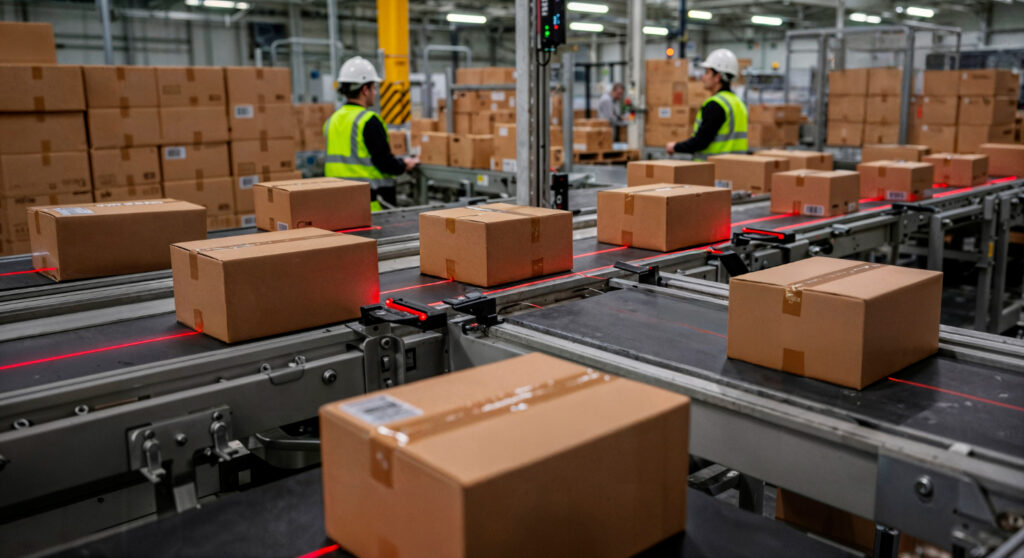
Automation technologies—especially AGVs and smart material-handling systems—play a critical role in enhancing flow. Unlike manual operations, automated systems deliver:
-
Consistent cycle times
-
24/7 availability
-
Higher accuracy and reduced errors
-
Real-time coordination across workflows
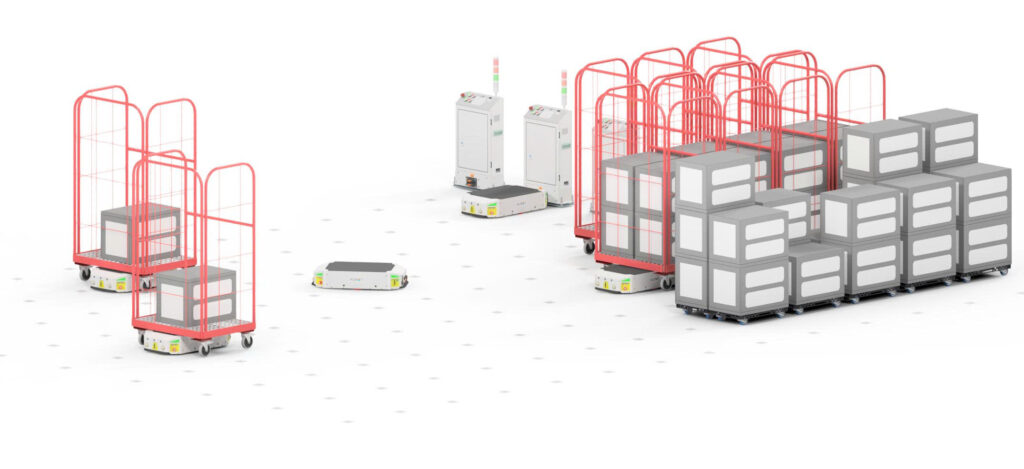
Tugger AGVs, pallet movers, and shuttle-based systems help eliminate unnecessary travel time and synchronize movements from inbound to storage to outbound. When connected through a unified software platform, they form a seamless, predictable cargo flow ecosystem. In many warehouses, automation is implemented step by step—starting with high-impact areas such as inbound transportation or trailer loading—and gradually expanding into a complete cargo flow automation solution. This modular approach ensures rapid ROI and operational stability.
Aubot’s Approach: Practical, Scalable, and Built for Real Operations
At Aubot, our mission is to help businesses automate the way cargo flows—with solutions that are practical, robust, and global-ready. We focus on delivering automation that matches real-world constraints:
-
Limited workforce availability
-
Constant throughput pressure
-
Tight spaces and complex workflows
-
Integration into existing warehouse layouts
Our solutions—from tugging and pallet transport to software orchestration—are designed to be flexible and easy to adopt, ensuring that companies can enhance their performance without needing to redesign their entire facility. Whether it’s supporting inbound–outbound handling, storage transport, or cross-zone movement, we build systems that work reliably from day one and scale with your operations over time.
The Future of Warehousing Belongs to Automated Cargo Flow
As global supply chains become more dynamic, warehouses must operate with greater speed, precision, and resilience. Cargo flow optimization is no longer an operational add-on—it’s the backbone of modern intralogistics performance. Companies that invest early gain a decisive advantage: predictable operations, empowered teams, and the ability to meet customer expectations consistently. With automation accelerating this transformation, the opportunity is clear.
At Aubot, we are committed to helping you unlock this potential, one automated workflow at a time.